AgoraStream

Educational Documentation

IPTV architecture, streaming quality, and home network engineering

Practical, citation-backed guides explaining how licensed internet television works, why adaptive bitrate protocols matter, and how to prepare your home network for multi-room 4K playback.

What Is Licensed IPTV and How Does Internet Television Delivery Work?

IPTV Fundamentals · 6 min read · Updated 2026-10-22

What Is Licensed IPTV and How Does Internet Television Delivery Work?

Licensed IPTV (Internet Protocol Television) delivers live television channels and on-demand programming over managed IP networks and broadband internet with authorized broadcast rights, using adaptive streaming protocols such as HLS or MPEG-DASH and standard DRM protection.

By Elena VanceRead Article

HLS vs. MPEG-DASH: How Adaptive Bitrate Streaming Prevents Stalls

Streaming Quality · 5 min read · Updated 2026-10-19

HLS vs. MPEG-DASH: How Adaptive Bitrate Streaming Prevents Stalls

HLS (HTTP Live Streaming) and MPEG-DASH split live broadcasts into short 2-to-6-second segments encoded at multiple bitrates. Your streaming device measures download throughput after each segment and seamlessly shifts resolution up or down to avoid rebuffering.

By Elena VanceRead Article
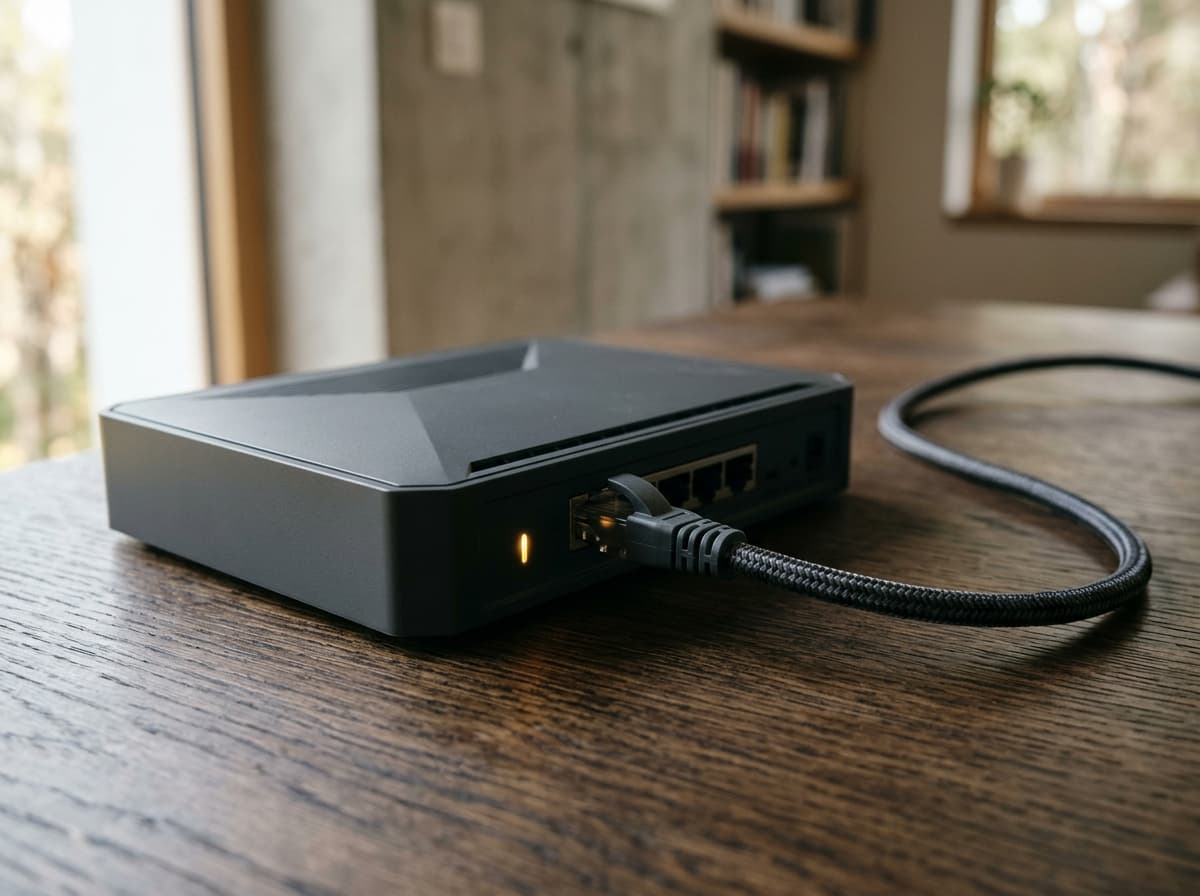
Home Network & Bandwidth Planning for Multi-Room 4K IPTV

Home Networking · 7 min read · Updated 2026-10-18

Home Network & Bandwidth Planning for Multi-Room 4K IPTV

Budget 15 Mbps per concurrent 1080p stream and 25 to 35 Mbps per concurrent 4K HEVC stream, plus 30% headroom for background household traffic. Prioritize wired Gigabit Ethernet or unobstructed 5 GHz / 6 GHz Wi-Fi over legacy 2.4 GHz connections.

By Marcus ChenRead Article
How Electronic Program Guides (EPG) and XMLTV Schedules Work

Guide Standards · 5 min read · Updated 2026-10-13

How Electronic Program Guides (EPG) and XMLTV Schedules Work

An Electronic Program Guide (EPG) maps channel IDs to timestamped program metadata—titles, episode descriptions, ratings, and UTC start/stop windows—commonly exchanged via XMLTV or JSON schedules so your TV displays accurate local listings.

By Elena VanceRead Article